
The mental load is the invisible weight of remembering, anticipating, planning, and emotionally managing life — not just for yourself, but for everyone around you.
It’s not always dramatic.
It’s quiet.
It looks like:
- Remembering appointments
- Tracking school dates
- Noticing when groceries run low
- Managing bills
- Anticipating emotional reactions
- Keeping peace in conversations
- Thinking three steps ahead
And often, no one sees it.
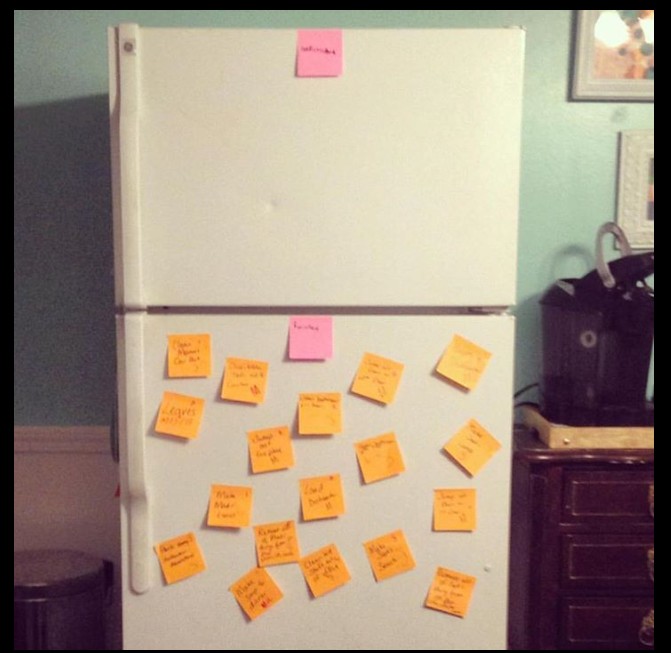
What the Mental Load Really Is
The mental load isn’t just “having a lot to do.”
It’s the constant background processing running in your mind.
Even when you’re sitting still, part of you is scanning:
- What needs to be done next?
- Who needs support?
- Did I forget something?
- Is everyone okay?
It’s cognitive labour and emotional responsibility combined.
You’re not only completing tasks.
You’re holding the system together.
Over time, that quiet holding becomes exhausting.
Why Carrying Everyone Else’s Needs Feels So Heavy
When you carry everyone else’s needs, your own often move to the bottom of the list.
You adapt.
You adjust.
You prioritise others.
At first, it can feel responsible. Loving. Necessary.
But when it becomes constant, something shifts.
You stop asking:
- What do I need?
- What feels sustainable?
- What would support me?
Instead, your identity becomes tied to being reliable.
This is especially common in parents, partners, and high-functioning professionals. People who are used to being steady.
And steady people rarely get asked if they’re tired.
The Mental Load and Burnout
The mental load is one of the most overlooked contributors to burnout.
Because it doesn’t look like chaos.
It looks like competence.
You’re still functioning.
Still remembering.
Still showing up.
But internally, your nervous system is never fully off.
Even during rest, part of you is tracking responsibilities.
That’s why burnout connected to mental load often shows up as:
- Irritability instead of sadness
- Emotional numbness
- Difficulty relaxing
- Feeling resentful without wanting to
- Exhaustion that sleep doesn’t fix
If this quiet exhaustion feels familiar, you may relate to High-Functioning Burnout Is Still Burnout, where burnout hides behind competence and constant responsibility.
You don’t collapse.
You slowly empty.
The Invisible Nature of Mental Load
One of the hardest parts of the mental load is that it’s invisible.
If you don’t say it out loud, no one sees it.
You might complete 20 micro-decisions a day that never get acknowledged:
- Deciding what’s for dinner
- Remembering someone’s preference
- Planning around someone’s mood
- Avoiding conflict
- Preparing for worst-case scenarios
From the outside, it looks like nothing.
From the inside, it feels like constant mental noise.
And when that noise never stops, your system doesn’t reset.
Emotional Responsibility Is Part of the Load
Mental load isn’t only practical.
It’s emotional.
You might find yourself:
- Managing tension in the room
- Softening your tone to avoid escalation
- Absorbing other people’s stress
- Hiding your own frustration to keep things stable
You become the regulator.
The calm one.
The planner.
The anchor.
But anchors carry weight.
And if no one shares that weight, even the strongest person eventually feels it.
Why It’s Hard to Ask for Help
If you’re used to carrying the mental load, asking for help can feel uncomfortable.
You might think:
- “It’s easier if I just do it.”
- “Explaining it would take longer.”
- “I don’t want to seem incapable.”
- “They won’t do it properly.”
Over time, this creates a pattern.
You carry more.
Others carry less.
Resentment quietly builds.
Not because you don’t love them.
But because your capacity has limits.
And limits ignored become burnout.
Signs the Mental Load Is Too Heavy
You may be carrying too much if:
- You feel irritated over small things
- You fantasise about being alone just to think
- You feel unseen even when surrounded by people
- You struggle to switch off at night
- You feel responsible for everyone’s mood
The mental load becomes dangerous when it’s normalised.
When you tell yourself:
“This is just how life is.”
But constant internal pressure isn’t neutral.
It accumulates.
If your exhaustion shows up as irritability or emotional flatness rather than sadness, you might also resonate with Emotional Numbness Is a Burnout Symptom
The Mental Load in High-Functioning Burnout
High-functioning burnout often hides inside mental load.
You still:
- Go to work
- Pay the bills
- Support your family
- Meet expectations
No one sees a problem.
But inside, there’s fatigue.
Not dramatic.
Not loud.
Just heavy.
This kind of burnout doesn’t scream.
It drains.
And because you’re still performing, it rarely gets questioned.
What Reducing the Mental Load Actually Looks Like
Reducing mental load doesn’t mean abandoning responsibility.
It means redistributing it.
A few starting points:
1. Name What You’re Carrying
Write it down.
All of it.
Often, you’ll realise the list is longer than you thought.
2. Stop Pre-Emptively Fixing Everything
Let small gaps exist.
Let others notice.
Discomfort isn’t failure.
3. Delegate the Thinking, Not Just the Doing
It’s not just:
“Can you cook dinner?”
It’s:
“Can you plan meals this week?”
Planning is part of the load.
4. Notice Emotional Over-Functioning
You are not responsible for regulating every emotion in the room.
Sometimes people need to sit with their own discomfort.
You Deserve Space in Your Own Life
The mental load convinces you that everything depends on you.
Sometimes that’s partially true.
But not always entirely.
You are allowed to:
- Not remember everything
- Not anticipate every issue
- Not solve every problem
- Not be the emotional buffer
You are allowed to exist without constantly managing.
That doesn’t make you selfish.
It makes you human.
The Quiet Question Beneath It All
Underneath the mental load, there’s often one quiet question:
“If I stop holding everything together, what will happen?”
That fear keeps you carrying.
But here’s another possibility:
If you stop carrying everything alone, others might step forward.
Not perfectly.
Not instantly.
But gradually.
And that shift — from silent over-functioning to shared responsibility — is often the beginning of burnout recovery.
The mental load feels invisible.
But its weight is real.
And if you’ve been carrying everyone else’s needs for a long time, it makes sense that you’re tired.
Not broken.
Just overloaded.
Link “World Health Organisation” to:
https://www.who.int/.