
By Modern Burnout / January 25, 2026
Burnout doesn’t arrive all at once.
It builds quietly — through responsibility, pressure, and the constant feeling that stopping isn’t an option.
This isn’t about being tired. It’s about feeling empty, even after rest.
Burnout Isn’t Just Exhaustion
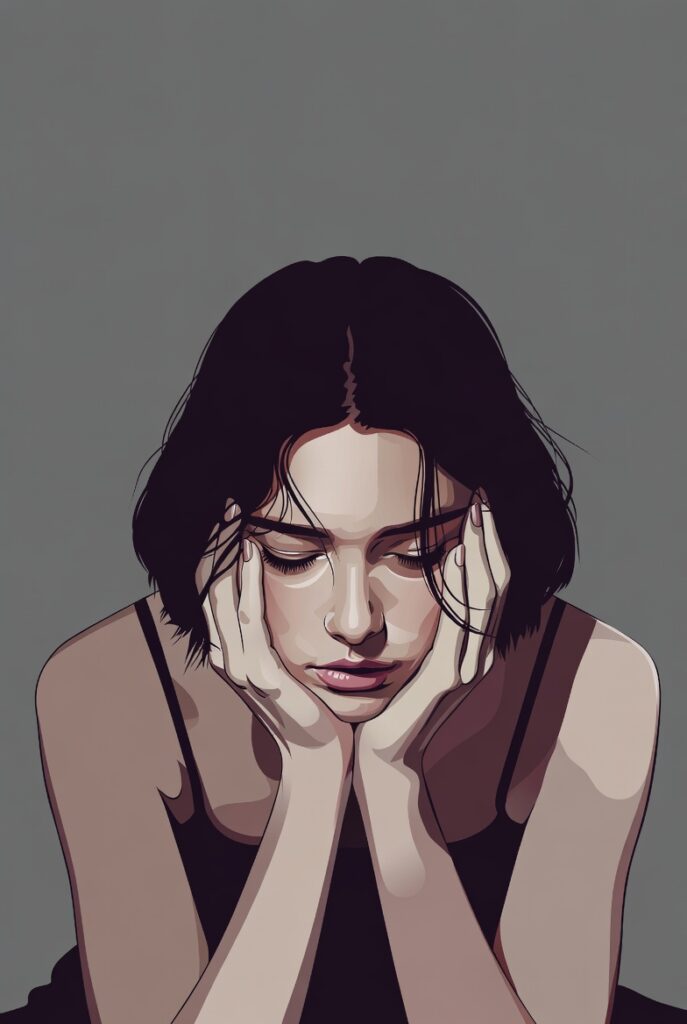
Burnout is not just physical tiredness.
It’s mental fatigue, emotional numbness, and the loss of motivation. You can sleep for eight hours and still wake up feeling drained. You can take time off and still feel heavy.
That’s because burnout affects your nervous system, not just your energy levels.
Why Rest Alone Doesn’t Fix Burnout
Rest helps exhaustion. Burnout is different.
When you’re burned out, your mind is stuck in survival mode. Even during rest, your thoughts don’t fully switch off. Guilt, pressure, and responsibility follow you into downtime.
That’s why burnout recovery requires more than rest — it needs clarity, boundaries, and intentional change.
What Actually Helps
Burnout begins to lift when you stop trying to push through it.
Small changes — reducing pressure, redefining success, and creating mental space — matter more than drastic life overhauls. Awareness is the first step toward recovery.
What Actually Helps (And What Doesn’t)
Burnout isn’t solved by a weekend off or a single deep breath.
Rest matters — but burnout usually comes from ongoing pressure, lack of boundaries, and carrying too much for too long. What helps is learning to notice early signs, creating small but consistent pauses, and slowly rebuilding a sense of control and meaning.
Recovery isn’t dramatic. It’s quiet. And it’s possible.
If this resonated with you, you’re not alone. This blog is a space for practical thoughts, clarity, and small steps forward — without pressure.
If you’d like more reflections like this, new posts go up regularly on Modern Burnout