
The Burnout ‘Crash’ After Holidays or Time Off
You were supposed to feel better.
You took time off.
You stepped away from work.
You tried to rest.
But now you’re back — and instead of feeling refreshed, you feel worse.
Heavy.
Flat.
Irritable.
Mentally foggy.
The burnout crash after holidays is real — and it can feel confusing, even discouraging. Especially if you were hoping time off would fix everything.
Here’s what’s actually happening.
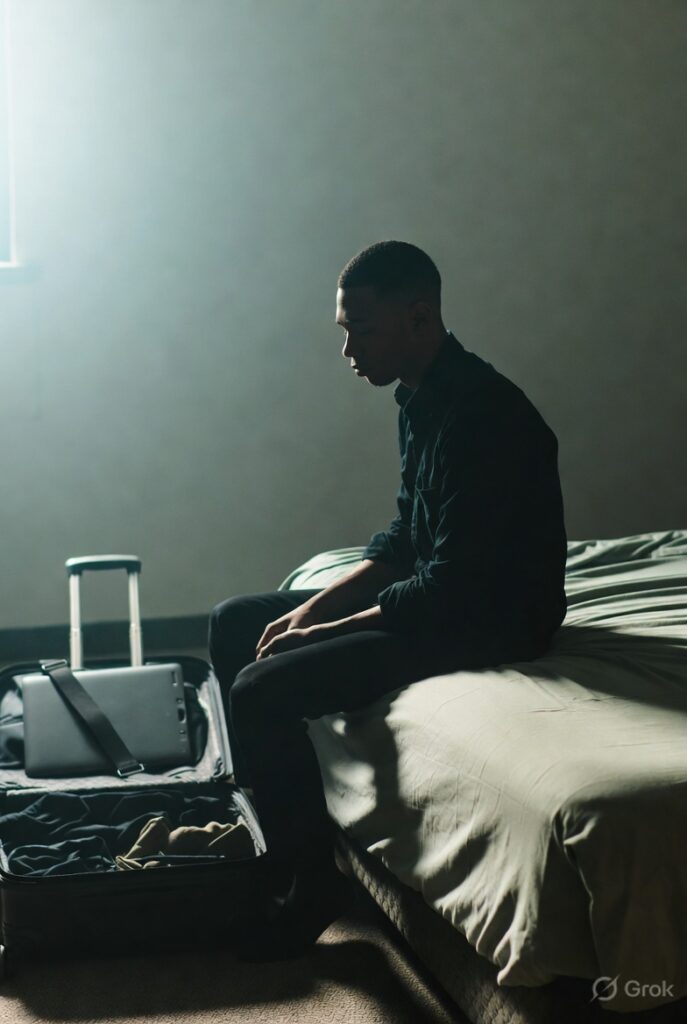
Why the Burnout Crash After Holidays Happens
When you’ve been running on pressure for months — deadlines, parenting, expectations, constant mental load — your nervous system adapts to survival mode.
You function.
You push through.
You stay productive.
But beneath the surface, your system is overstimulated.
During holidays or time off, something shifts.
The external pressure drops.
The emails stop.
The routine changes.
And that’s when your body finally feels safe enough to let go.
Sometimes what follows isn’t relief.
It’s a crash.
Your Body Was Holding It Together
Burnout doesn’t always explode while you’re in the middle of stress.
Often, it waits.
Your body can suppress exhaustion temporarily when it believes you “need” to perform. But once you slow down, the accumulated fatigue surfaces all at once.
That’s why you might notice:
- Getting sick right after the holidays
- Deep tiredness you didn’t feel before
- Emotional sensitivity
- Headaches or body aches
- Sudden low mood
It’s not that time off caused burnout.
It revealed it.
If you’ve read What Burnout Really Feels Like (And Why Rest Alone Doesn’t Fix It)
You already know that burnout affects more than just your energy levels. It impacts your nervous system, motivation, and emotional regulation.
Time off removes distraction.
It doesn’t automatically restore capacity.
The Psychological Drop After Structure Disappears
There’s another layer to the burnout crash after holidays: structure.
When you’re working, even if you’re stressed, your days have shape:
- Wake up
- Tasks
- Meetings
- Deadlines
- School runs
- Responsibilities
Structure can mask emotional fatigue.
During time off, that scaffolding disappears.
Without constant external demands, you’re left alone with your internal state.
And if that internal state has been running on emptiness, numbness, or quiet resentment, it can feel overwhelming when there’s nothing distracting you from it.
This is especially common in high-functioning burnout — when you look fine on the outside but feel disconnected underneath.
Guilt Makes It Worse
Many people experience an added layer of guilt during the burnout crash after the holidays.
You might think:
- “I just had a break — why am I still exhausted?”
- “Other people feel refreshed. What’s wrong with me?”
- “I should be grateful.”
That internal pressure creates another stress response.
Now you’re not only burned out — you’re criticising yourself for it.
Burnout recovery doesn’t respond well to shame.
It responds to honesty.
Why Going Back Feels So Hard
The return to routine after time off can hit harder than expected.
Your nervous system tasted stillness.
It briefly slowed.
Now it’s being asked to ramp back up.
If the underlying workload or life pressure hasn’t changed, your system recognises that it’s returning to the same unsustainable pattern.
That recognition can show up as:
- Sunday night dread
- Irritability before returning to work
- Mental fog in the first few days back
- A feeling of “I can’t keep doing this”
This doesn’t mean you’re weak.
It means your body is sending information.
If you relate to that quiet internal “I can’t keep going like this” feeling, you might also resonate with High-Functioning Burnout Is Still Burnout
Because functioning doesn’t cancel out burnout.
It often hides it.
The Illusion That Rest Should Fix Everything
One of the biggest misunderstandings about burnout is the belief that rest alone is the cure.
Rest helps exhaustion.
Burnout is more complex.
Burnout builds from:
- Chronic over-responsibility
- Lack of emotional processing
- Constant mental load
- Identity tied to productivity
- Feeling needed all the time
A week off doesn’t undo months (or years) of that pattern.
When the burnout crash after holidays happens, it’s often because rest removed the pressure — but not the structure, boundaries, or beliefs that caused the overload.
So when you return, the same system resumes.
And your body resists.
Emotional Release During Time Off
Sometimes the crash isn’t physical exhaustion.
It’s emotional.
You might notice:
- Random sadness
- Increased irritability
- Crying unexpectedly
- Feeling strangely empty
When you’re constantly busy, emotions get postponed.
Time off gives them space to surface.
This can feel destabilising — especially if you’re used to being steady and reliable for everyone else.
But emotional release is not regression.
It’s processing.
What Actually Helps After a Burnout Crash
If you’re in the middle of a burnout crash after holidays, the goal isn’t to force yourself back to “normal” immediately.
It’s to stabilise.
A few realistic shifts:
1. Lower Expectations for the First Week Back
You don’t need to operate at full speed immediately. Ease in where possible.
2. Notice What Feels Unsustainable
Instead of judging the crash, ask:
What part of my routine feels draining?
What hasn’t changed?
3. Adjust Something Small
Burnout recovery isn’t always dramatic.
Sometimes it’s one boundary.
One delegated task.
One honest conversation.
4. Protect One Non-Negotiable
Sleep.
A short walk.
A quiet 10 minutes without input.
Consistency matters more than intensity.
The Crash Is Information, Not Failure
The burnout crash after holidays can feel like proof that something is wrong with you.
It isn’t.
It’s feedback.
Your system is saying:
“The way this has been running isn’t sustainable.”
That doesn’t mean quitting everything.
It doesn’t mean making impulsive decisions.
It means listening.
Burnout rarely shouts first.
It whispers.
Then nudges.
Then crashes.
The crash is often the moment people finally realise rest alone isn’t enough.
And that awareness — uncomfortable as it feels — is the beginning of real change.
If you came back from holidays feeling worse, not better, you’re not broken.
You’re noticing.
And that’s where recovery actually starts.
Link “World Health Organisation” to:
https://www.who.int/.