
High-functioning burnout is still burnout one of the most misunderstood forms of exhaustion.
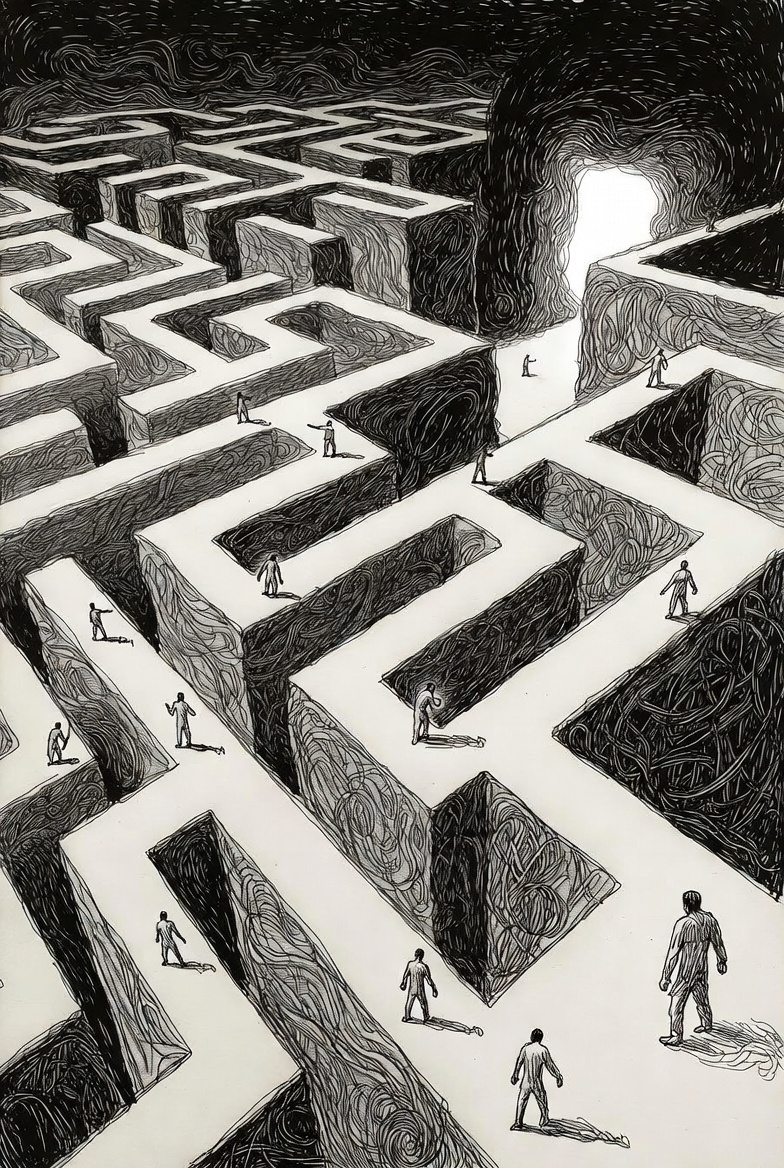
You can show up every day and still be burned out.
You meet deadlines. You handle responsibilities. You appear reliable, capable, even productive. From the outside, nothing seems wrong.
But internally, something feels different.
Energy is lower. Motivation is thinner. Tasks feel heavier than they should. Effort continues, but the sense of connection to that effort slowly fades.
Burnout doesn’t always stop you.
Sometimes it just empties you quietly.
And that still counts.
Performance can hide depletion
Many people associate burnout with collapse — being unable to work, needing long breaks, or stepping away completely.
High-functioning burnout doesn’t look like that.
Instead, people keep going. They adapt, compensate, and maintain their roles even as internal resources shrink. Because performance remains, the exhaustion goes unnoticed.
Sometimes by others.
Sometimes by the person experiencing it.
This creates a confusing experience: you’re functioning, so you assume you must be fine. But the internal signals tell a different story.
Burnout can exist alongside productivity.
The signs are subtle but persistent
High-functioning burnout often manifests as quiet shifts rather than dramatic breakdowns.
You may notice:
Feeling emotionally flat after completing tasks
Needing more effort for things that used to be easy
Reduced excitement or anticipation
Increased irritability despite continuing performance
Difficulty resting, even when time is available
A sense of being “on” all the time
Nothing appears urgent enough to justify concern. Yet the baseline feels heavier than before.
This is how burnout develops slowly — not as a moment, but as a gradual depletion.
Responsibility makes burnout harder to see
People who experience high-functioning burnout are often highly responsible. They value reliability, stability, and meeting expectations.
These traits help them continue performing under pressure, but they also delay recognition of limits.
Instead of stopping, they adjust internally:
Pushing through fatigue
Lowering personal needs
Normalising exhaustion
Telling themselves this phase will pass
Over time, coping becomes the default state.
Because life continues moving forward, burnout becomes background noise.
Emotional disconnection is a key signal
One of the clearest indicators of high-functioning burnout is emotional distance from things that once mattered.
You may complete important tasks and feel… nothing. Achievements don’t bring relief. Progress doesn’t feel meaningful. Effort becomes mechanical.
This isn’t indifference. It’s protection.
The nervous system reduces emotional engagement to conserve energy. Feeling less becomes a way to keep functioning.
From the outside, you look steady. Internally, you feel detached.
That gap is central to high-functioning burnout.
Rest doesn’t fully restore energy
Many people experiencing this form of burnout say breaks don’t work the way they used to.
Weekends provide temporary relief, but exhaustion returns quickly. Holidays feel helpful at first, then the familiar heaviness reappears.
This creates confusion. If you’re still functioning, you shouldn’t be burned out. If rest doesn’t fix it, it feels like something is wrong with you.
But burnout isn’t always solved by stopping activity. It improves when ongoing pressure becomes sustainable.
High-functioning burnout persists because performance continues while recovery remains incomplete.
Strength without support leads to quiet exhaustion
A common theme in high-functioning burnout is strength without adequate support.
You handle things. You adapt. You manage complexity. Others rely on you.
These qualities are valuable — but they carry a cost when sustained without relief.
Burnout doesn’t happen because you’re weak. It happens because you’ve been strong in environments that required more than they were willing to give.
When support doesn’t match responsibility, depletion follows.
Many people discover that rest alone doesn’t fix burnout, especially when pressure continues beneath the surface of performance.
Recognition often comes late
Because life continues, recognition of burnout is delayed. Many people only notice when symptoms intensify — chronic fatigue, stronger detachment, difficulty initiating tasks, or increased irritability.
By that point, the nervous system has been operating under pressure for a long time.
Earlier recognition allows smaller adjustments.
Earlier recognition allows smaller adjustments. Many people notice that small tasks feel like mountains during burnout, indicating that capacity declines before performance drops.
That might include:
Reducing expectations slightly
Creating protected rest that isn’t productive
Re-evaluating responsibilities
Allowing slower progress without self-criticism
Seeking emotional support
These changes don’t mean stopping life. They mean making it sustainable.
Burnout isn’t defined by collapse
One of the most important truths about high-functioning burnout is this: burnout isn’t measured by how visible it is.
You don’t need to break down for your exhaustion to be real.
Continuing to perform while feeling depleted is still burnout. The absence of a crisis doesn’t mean the absence of strain.
Recognising this removes the pressure to “prove” you’re struggling.
It allows you to respond earlier.
Functioning and exhaustion can exist together
High-functioning burnout challenges a common assumption — that capability equals wellbeing.
People can be reliable and exhausted. Productive and detached. Successful and depleted.
These experiences are not contradictions. They are signals that capacity and demand are misaligned.
Burnout becomes visible when performance drops. But it begins long before that.
Listening earlier creates more options for recovery.
You don’t need permission to take your exhaustion seriously
Many people minimise high-functioning burnout because they’re still coping. They compare themselves to worse scenarios and conclude they shouldn’t complain.
But burnout is not a competition.
Exhaustion deserves attention even when life looks stable.
Taking it seriously doesn’t mean everything must change immediately. It means acknowledging that sustained pressure has an impact.
High-functioning burnout is still burnout.
And recognising it is often the first step toward restoring energy, meaning, and connection again.
According to the World Health Organisation, burnout is linked to chronic workplace stress.
Link “World Health Organisation” to:
https://www.who.int/.
Pingback: Why Slowing Down Feels Unsafe During Burnout – modernburnout.com.au
Pingback: Burnout Symptoms That Look Like Personality Changes – modernburnout.com.au