
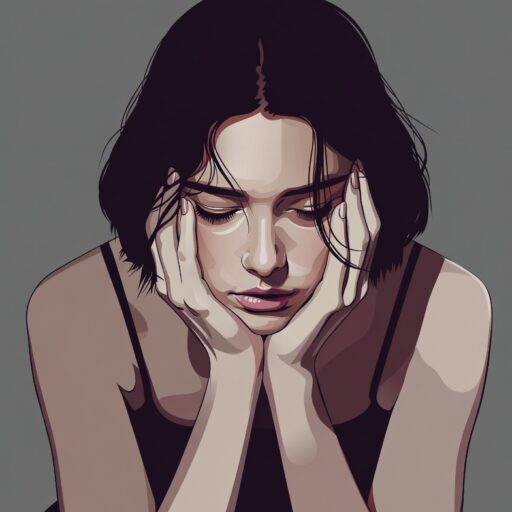
What Burnout Really Feels Like (And Why Rest Alone Doesn’t Fix It? What burnout really feels like is often very different from what people expect.
Burnout doesn’t arrive all at once. It builds quietly through responsibility, pressure, and the constant feeling that stopping isn’t an option.
At first, it looks like stress. Then tiredness. Then something harder to explain.
You’re still functioning, but the effort feels heavier. Motivation fades. Rest helps temporarily, but doesn’t restore the sense of capacity you once had.
This isn’t just being tired. It’s the feeling of emptiness even after rest.
Burnout isn’t just exhaustion
One of the biggest misunderstandings about burnout is that it’s purely physical.
People assume burnout means extreme tiredness or the inability to work. In reality, burnout often shows up as mental fatigue, emotional heaviness, and quiet disconnection long before visible collapse.
You may notice:
Difficulty focusing
Reduced patience
Loss of enthusiasm
Feeling detached from things you once cared about
Persistent fatigue despite adequate sleep
This is because burnout affects the nervous system rather than just energy levels.
Sleep restores the body. Burnout involves the mind, emotions, and stress response patterns that don’t reset as easily.
Many people recognise this pattern in functional burnout, where productivity continues while capacity declines.
Burnout is less about inability and more about depletion.
Why rest alone doesn’t fix burnout
Rest is essential, but burnout is not simply exhaustion.
When burnout develops, the nervous system often remains in a state of low-level alert. Thoughts continue cycling. Pressure doesn’t fully disappear. Guilt can appear even during downtime.
You might take time off yet still feel mentally busy. You might sleep more but wake up heavy. Breaks provide relief without resolution.
This happens because burnout is usually connected to ongoing patterns — expectations, responsibility, boundaries, and internal pressure.
Rest treats symptoms. Burnout recovery requires addressing causes.
Understanding the difference between temporary strain and deeper depletion is important.
One improves with rest. The other requires recalibration.
Burnout changes how effort feels
Another way to understand what burnout really feels like is through effort.
Tasks that were once neutral begin to feel demanding. Starting becomes harder. Decision-making slows. Small disruptions carry more emotional weight.
This doesn’t mean your abilities changed. It means your margin did.
Burnout reduces flexibility — the space between demand and capacity.
When that space shrinks, everyday life requires more energy than before.
Many people notice that simple responsibilities begin to feel overwhelming, even when nothing externally has changed.
This is a signal, not a failure.
Emotional changes are often the clearest signal
Burnout is frequently recognised through emotional shifts rather than physical ones.
You may feel flatter, more easily irritated, or disconnected. Achievements register intellectually but not emotionally. Social interaction may feel draining rather than energising.
This emotional flattening is protective. The nervous system reduces the intensity of signals to conserve energy.
Over time, this can appear as emotional numbness — one of the most common burnout symptoms.
Because productivity may persist, people interpret this as a personality change rather than system fatigue.
Recognising emotional signals early allows adjustment before exhaustion deepens.
What actually helps burnout recovery
Burnout recovery rarely looks dramatic.
It begins when you stop trying to push through depletion and start reducing the conditions that created it.
Helpful shifts often include:
Reducing unnecessary pressure rather than increasing productivity
Creating clearer boundaries around availability
Allowing emotional processing instead of constant suppression
Reintroducing activities that create meaning, not just output
Accepting slower pacing as part of recovery
These adjustments restore capacity gradually.
Burnout improves when effort and recovery move closer to balance.
Small changes, repeated consistently, tend to be more effective than drastic life overhauls.
What doesn’t help
Many common responses unintentionally prolong burnout.
Pushing harder, waiting for motivation to return, or treating exhaustion as a discipline problem often increases strain.
Productivity systems cannot solve depletion if expectations remain unsustainable.
Temporary rest without structural change often leads to the same cycle repeating.
Burnout is not solved by intensity. It’s resolved by sustainability.
Recovery is quiet but real
One reason burnout feels discouraging is that recovery is subtle.
Energy returns gradually. Emotional range expands slowly. Tasks begin to feel manageable again before they feel enjoyable.
This can be difficult to notice in real time, which is why patience matters.
Burnout does not disappear overnight because it didn’t develop overnight.
What burnout really feels like at the beginning is confusion. What recovery often feels like is small relief.
Those small shifts accumulate.
You’re not alone in this experience
Many people experience burnout while appearing functional. They assume they’re the only ones struggling because nothing looks visibly wrong.
But burnout is common in environments that reward output without protecting recovery.
Recognising the experience reduces shame and allows earlier adjustment.
If this resonates, it doesn’t mean something is wrong with you. It means your system has been carrying more than it can sustainably hold.
Burnout is not a personal failure.
It’s feedback.
And feedback is where change begins.
According to the World Health Organisation, burnout is linked to chronic workplace stress.
Link “World Health Organisation” to:
https://www.who.int/.
Burnout isn’t solved by a weekend off or a single deep breath….TRUE
Pingback: Rest Doesn’t Work When Guilt Is Still Present – modernburnout.com.au
Pingback: You Feel Worse After Rest: The Hidden Layer of Burnout – modernburnout.com.au
Pingback: small tasks feel overwhelming
Pingback: Why Burnout Makes Small Decisions Feel Impossible | Modern Burnout
Pingback: Why Weekends Don’t Fix Burnout: The Hidden Reason Exhaustion Keeps Returning
Pingback: High-Functioning Burnout Is Still Burnout: When You’re Coping but Exhausted