
Why Fatherhood Can Feel Lonely Even in a Full House
Fatherhood is often described as joyful, meaningful, and life-changing.
And it is.
But there’s a quieter side that rarely gets named.
You can be surrounded by noise, family, responsibilities, and love — and still feel alone.
Not physically alone.
Emotionally alone.
For many fathers, loneliness doesn’t come from isolation.
It comes from invisibility.
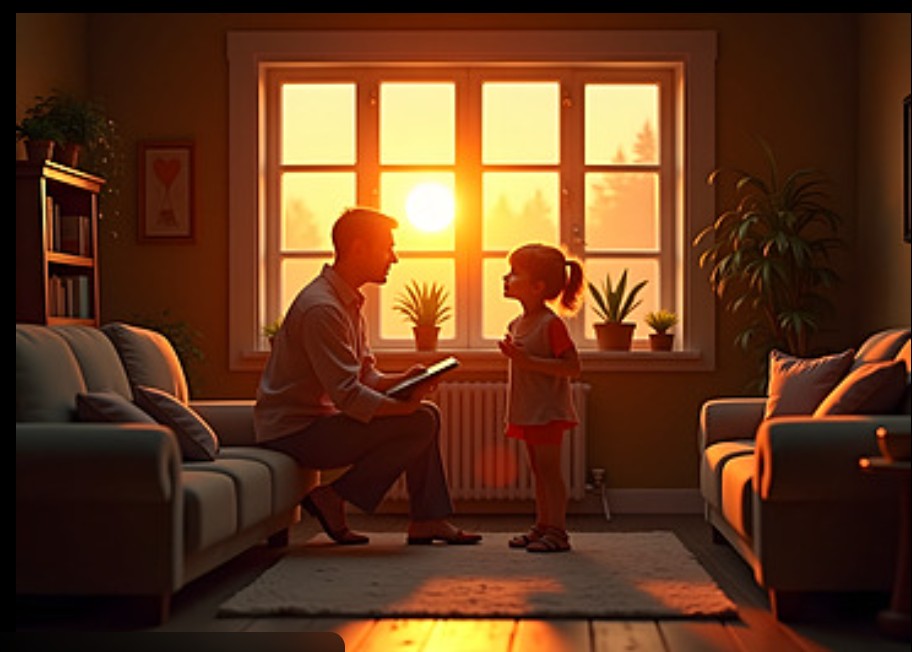
Loneliness doesn’t always look like distance
You might come home to a full house.
Children running around.
A partner managing routines.
Dinner, baths, bedtime.
On paper, you’re connected.
But internally, something feels off.
You’re needed — but not deeply seen.
You’re present — but not fully understood.
You’re part of everything — but carrying things alone.
That quiet emotional gap is hard to explain.
And because it doesn’t look dramatic, it often goes unnoticed.
The pressure to stay steady
Many fathers step into a role that feels unspoken but heavy:
Be stable.
Be strong.
Be reliable.
Don’t overreact.
Don’t fall apart.
Even in loving relationships, there can be an invisible expectation that you hold the line.
If your partner is overwhelmed, you steady things.
If the kids are upset, you regulate yourself first.
If finances are tight, you absorb the stress quietly.
Over time, being “the steady one” can become isolating.
Many fathers experience something similar to High-Functioning Burnout Is Still Burnout, where they continue performing on the outside while feeling emotionally drained inside.
Not because you resent your family.
But because you rarely get to drop the role.
Conversation often becomes functional
As life fills up with responsibilities, conversations shift.
Schedules.
Groceries.
School notes.
Bills.
What needs fixing?
Important — yes.
But emotional conversations can quietly disappear.
You may notice that you don’t talk about:
How overwhelmed do you feel?
How much pressure are you carrying?
How unsure you sometimes are.
How tired you are in a way that sleep doesn’t fix.
Not because no one cares.
But because it doesn’t feel like the right time.
Or you don’t want to add more weight to an already full system.
So you carry it.
And the house stays full — but your internal world stays private.
Loneliness can coexist with love
This is important.
Feeling lonely doesn’t mean you don’t love your family.
It doesn’t mean your relationship is broken.
It doesn’t mean you regret fatherhood.
You can love deeply — and still feel emotionally separate.
Loneliness in fatherhood often comes from a loss of:
Personal space
Personal identity
Peer connection
Unstructured time
Adult conversation that isn’t task-focused
When your life becomes centred around responsibility, parts of you can quietly shrink.
The version of you that used to laugh freely.
The version that had hobbies.
The version that felt spontaneous or expansive.
When those parts fade, isolation can creep in — even in a house full of people.
High-functioning loneliness
For many fathers, this loneliness doesn’t stop them from performing.
You still go to work.
Still show up to school events.
Still fix what needs fixing.
Still provide.
From the outside, everything looks stable.
This is similar to what many experience in high-functioning burnout — functioning externally while feeling empty internally.
You might not collapse.
You just feel flat.
Disengaged.
Like you’re watching your life instead of fully inhabiting it.
That emotional distance can be subtle, but over time it compounds.
Why fathers rarely talk about it
There are cultural layers here.
Many men were not raised to name emotional experiences easily.
Many were taught to handle things independently.
Many associate vulnerability with burdening others.
Add to that the modern pressure to be a present father, a supportive partner, a stable earner, and emotionally intelligent — and it’s a lot.
Over time, that isolation can turn into Emotional Numbness Is a Burnout Symptom, where feelings become muted instead of processed.
Admitting loneliness can feel like weakness.
So instead, it becomes:
I’m just tired.
Work’s busy.
It’s just a phase.
Everyone feels like this.
But unspoken loneliness doesn’t dissolve on its own.
It turns into irritation.
Withdrawal.
Emotional numbness.
Or quiet resentment that no one understands.
The identity shift nobody prepares you for
Fatherhood doesn’t just add responsibility.
It reshapes identity.
You’re no longer just you.
You’re Dad.
And while that role is meaningful, it can also feel consuming.
Your time changes.
Your friendships change.
Your priorities change.
Your freedom changes.
But rarely does anyone ask:
Who are you becoming in this transition?
What parts of you are you missing?
What feels heavy?
Without space to process identity shifts, loneliness deepens.
Not because you’re failing.
But because you’re adapting alone.
What actually helps
Loneliness in fatherhood doesn’t require dramatic change.
It requires intentional connection.
That might look like:
• One honest conversation with your partner about how you’re actually feeling
• Reaching out to another father and admitting it’s heavier than expected
• Protecting small pockets of personal time without guilt
• Reclaiming one small interest that reminds you who you are beyond the role
Connection doesn’t have to be big.
It just has to be real.
And sometimes the first connection is internal — acknowledging:
“I feel alone in this.”
Naming it reduces its power.
You’re not the only one
Many fathers feel this.
They just don’t say it.
The house can be loud.
Life can be full.
And you can still feel like you’re holding something quietly by yourself.
That doesn’t make you ungrateful.
It makes you human.
Fatherhood is meaningful.
It’s also demanding.
And sometimes, in the middle of providing, protecting, and performing — you need support too.
Not because you’re failing.
But because you’re carrying a lot.
Link “World Health Organisation” to:
https://www.who.int/.